
WE BELIEVE IN THE POWER OF STORY. As founders of the digital storytelling movement, WE HAVE HELPED OVER 100,000 PEOPLE SHARE STORIES from their lives.

public workshops
View our complete list of offerings, watch stories, and register online. Learn more

Custom Workshops
Explore how you can bring StoryCenter to your community. Learn more
Free webinars

This free webinar highlights a myriad of ways that digital storytelling, podcasting, and other story work can add often unheard voices and perspectives to the larger story, and help attract both old and new audiences into museum or community spaces.
REGISTER

This webinar offers an introduction to the use of story in our personal and professional lives, and the transformative potential of story for individuals, organizations, and communities. Requisite introduction for two day Story Facilitation workshops.
REGISTER

Finding a story to share is a journey, often not an easy one. Yet sharing experiences about our lives is immensely rewarding and may even reveal unexpected outcomes. This free webinar is the first step of your unique digital storytelling journey, and a gateway to further explorations of image, sound, and digital media.
REGISTER

Storytelling can be a valuable tool for public health researchers and practitioners. Our methods support local community members in sharing first-person narratives and turning them into videos that can be used for training, community mobilization, advocacy, and more. These free, one-hour webinars offer participants a broad introduction to our work in public health, and an understanding of how our public health partnerships work.
Register

Whether you are an educational technologist, an educator working in language arts and humanities, the social sciences, natural sciences, or community education for youth and adults, or someone who plays an educational role for your organization or institution, digital storytelling is an incredibly powerful way for you to foster your creativity, engage communities, transform your perspective, and support you in reflecting upon learning and life process.
REGISTER

The Listening Station was created to revolutionize the process of oral history and media production, editing and archiving. This webinar will provide the background of the Listening Station Network project, give an overview to how the kit works and all the features, and provide some case studies of use from around the field.
Register
ONLINE Public workshops

After 20 years of teaching the face to face version of our Digital Storytelling Workshop, the advent of cloud-based editing has made it possible for us to support a fully online version of our well-tested workshop. Over the course of six weeks, experienced StoryCenter facilitators will guide you in crafting and producing a 2-4 minute digital story based on a 300 word narration script.
REGISTER

In our evolving efforts to bring our array of workshops online, StoryCenter is now offering a 10-week certificate course in the digital story form and facilitation process.
REGISTER

StoryCenter director Joe Lambert returns to two of his favorite projects of the last 15 years, iOS storytelling for iPhones and iPads, and story-mapping.org, his effort to geo-locate stories about place, change and resistance. The workshop will have participants use their immediate community, and stories about the ways it has changed, to create stories using app-based photography, wevideo, and audio recording with the voicememo app.
REGISTER

Certain stories in our lives deserve frequent revisiting. Stories that hold a particular key to our understanding of ourselves, and the world around us. Based on a new book, Signpost Stories, to be published in 2023, Bermudan and Caribbean-based author and educator, Janet Ferguson, and StoryCenter founder Joe Lambert will lead you through a series of writing efforts that will evolve into 3-4 Digital Stories during the 10 sessions of the five week workshop.
REGISTER

Scenario Storytelling, placing yourself or an imagined character somewhere in the future, where they are coping with likely new and complex situations, has been an important part of life planning, and organizational planning for decades.
REGISTER

Join StoryCenter founder Joe Lambert in a six week workshop for people over 60. The workshop will explore new writing prompts each week, sharing of stories for feedback, and presentations on life writing, memoir, and writing for short performance. A perfect way to walk down the roads of your past.
REGISTER
In-Person Public workshops

Since the development of our three day workshop model in the early 1990s, we have helped some 20,000 people conceive and create their first digital story. The genre, a 2-4 minute short video – deeply personal, elegantly presented – has become a new form of communication, ideal for the social media world we now inhabit. Come to where the digital storytelling movement began, and experience the transformative power of digital storytelling!
REGISTER
CUSTOM WORKSHOPS
Our decades of experience in community-based storytelling and participatory media allow us to offer high-quality consultation, training, and production services with organizations around the world. Explore our case studies, and learn how we can help create custom online and in person storytelling experiences with your community.

The goal of the stories made during this project was to explore the impacts of severe weather, including extreme heat, flooding and wildfire smoke, on the lives of indigenous speakers of Zapoteco, Mixteco and Purépecha in a way that honors and lifts up their stories and identity. The stories are recorded in Spanish and in the Indigenous language of the storyteller. They shed light on the intersecting dynamics in the lives of individuals and communities. The connections between physical safety, economic survival, family bonds and cultural identity are explored through richly nuanced stories.

In the Spring and Summer of 2020, in the early stages of the COVID-19 pandemic, a group of professors and graduate students from various Southern California universities sensed that their world was about to be upended. They saw the existing economic and health disparities among their fellow residents in Riverside and San Bernardino County begin to fracture in ways that couldn’t be ignored.

In the Fall of 2021, StoryCenter partnered with ETSU’s Department of Communication & Performance to lead a cohort of 10 graduate students and faculty through the process of developing a brand new podcast showcasing their storytelling work both locally and nationally. We began the workshop by collaboratively developing the podcast’s title, communicative purpose, and content themes. Each participant chose a specific topic and produced their own segment as part of a cohesive podcast. Their episodes vary from guest interviews to traditional spoken-word monologues to research-driven local snapshots.
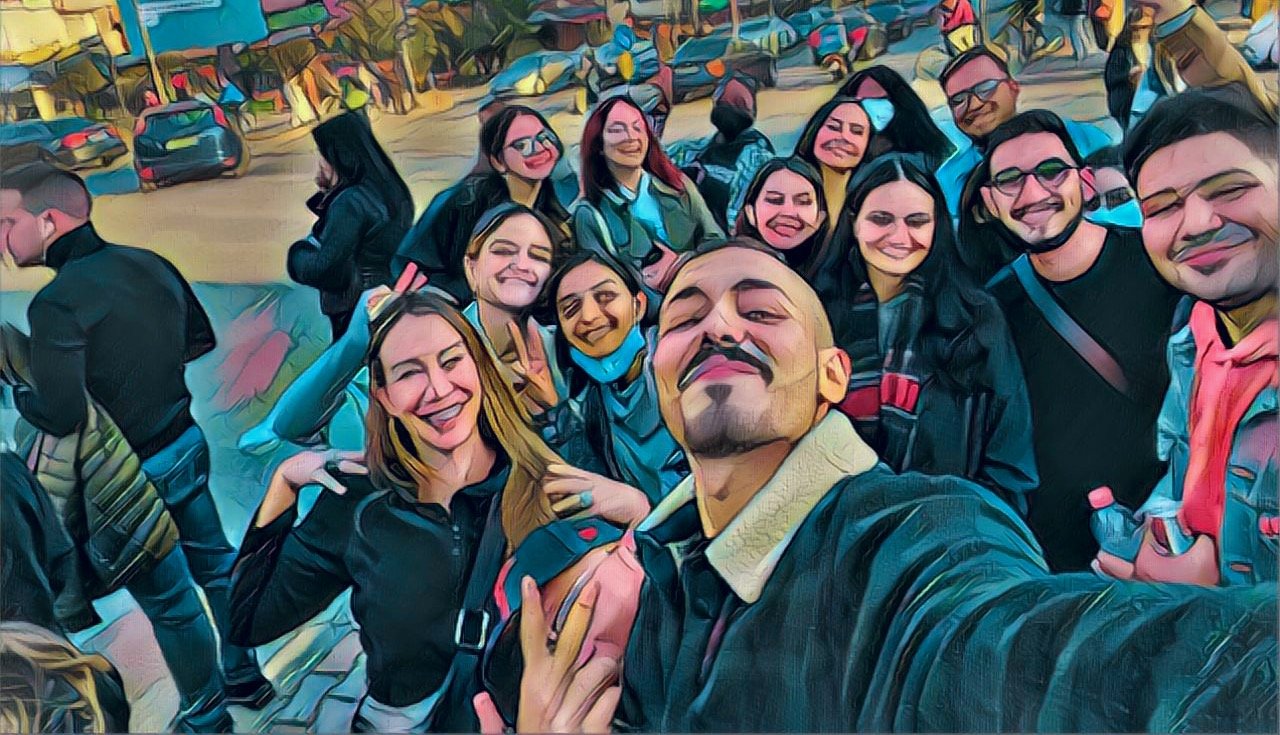
After September 11, 2001, it became clear that relationships between the U.S. and international Muslim communities needed to improve. In October 2002, Congress took a step toward fostering human understanding and open, sustainable relationships across those cultures by establishing the Kennedy-Lugar Youth Exchange and Study (YES) program through the U.S. Department of State. Each year, the YES Program invites high school students from countries with significant Muslim populations to live in the United States with a host family for an academic year. Not only do participants gain firsthand experience of American culture, they also have the opportunity to help their host communities learn about their home countries.

Young people in foster care and/or involved in mental health and juvenile justice systems are at disproportionate risk of poverty, suicidal ideation, and, upon exiting these systems, homelessness. As they age out of or are released from government service programs, these youth face challenges in accessing appropriate health and mental health support. Fortunately, those residing in Humboldt County, California, can become part of the Humboldt County Transition Age Youth Collaboration (HCTAYC), which aims to empower young people with lived experience to transform the foster care, juvenile justice, mental health, and homelessness service systems in Humboldt County, and in greater Northern California.

Over the past two years, StoryCenter has been honored to play a role in an innovative program in the Rio Grande Valley of Southern Texas. The project called Historias Americanas, was a three-year intensive for K-12 educators, designed by project partners, the University of Texas Rio Grande Valley and the Museum of South Texas History. The intent was to improve the quality of American history education in the Brownsville and Edinburg school districts by building on student and community knowledge and shining a light on the cultural wealth of the area. Local history was melded with the broader history of the United States to fill in faces that were blatantly missing from textbooks.

Despite women’s increased participation over the past several decades in public leadership roles, they still hold a mere 21 percent of ministerial positions globally. Only three countries have 50 percent or more women in parliament, and only 22 countries are headed by women. Women in leadership positions face discriminatory norms, exclusionary policies, and a lack of access to finance that make it more challenging for them to achieve positions with higher levels of responsibility. Yet when women have seats at decision-making tables, they bring transformative changes to entire communities and the world at large.

In the spring of 2021, StoryCenter worked with six members of the Cowlitz County Historic Preservation Commission to help them tell stories that reflect the ways the waterways, ports, and history connect the people of the area. In an online digital storytelling workshop, the storytellers reached into their memories to cover a range of themes–from efforts to restore the local salmon population, to childhood memories of dipping smelt, or watching a father get ready each morning before heading off to work at the Tollycraft boat plant.

The Nurse-Family Partnership (NFP) empowers first-time parents to transform their lives and create better futures for themselves and their babies. NFP works by having specially educated nurses regularly visit young, first-time moms-to-be, starting early in the pregnancy and continuing through the child’s second birthday. Like others working in healthcare and the helping professions more broadly, these dedicated providers have since the onset of the COVID-19 pandemic been forced to shift from in-person visits to mobile and Zoom meetings. They were used to sitting on couches and holding babies face to face; now, with remote work and continuous waves of the pandemic, they’re facing burnout and compassion fatigue.

The National Museum of Bermuda is a premiere organization in the Caribbean that showcases exhibits and extensive programming on science, art, and culture. Throughout 2021, the museum will engage the public through presentations, workshops, and an on-site contemporary art exhibit, as it prepares to launch an online exhibit called Tracing Our Roots/Routes. The staff, as well as local and international expert panelists, are assisting the public in researching and documenting their personal stories and photographs to add to the story of people who call Bermuda home.

Breast cancer is the most common cancer among women in the United States. Although most breast cancers are diagnosed in older women, about nine percent of all breast cancer cases in the U.S. are found in women younger than 45. Risk for breast cancer among young women varies, based on factors such as family and personal history of cancer. Many young women do not know their breast cancer risk or are not aware of ways to lower their risk.

The California State Library empowers the people of the nation's most diverse and populous state by supporting local library branches with funding and support designed to enrich the lives of current and future generations. The Library’s work is motivated by fairness, honesty, respect, and the value of each person and their contributions– it helps to ensure that libraries across the state can connect patrons to the information and resources they need.

In addition to the direct and devastating health and economic implications of COVID-19, the pandemic is exacting a heavy emotional toll on countries around the world. Like the United States, India has weathered high rates of infection; as of February, 2021, nearly 158,000 deaths have been registered there. Grief, uncertainty, isolation, and displacement have impacted people across the country, who are struggling to maintain their courage as they address the needs of those who are most vulnerable. While the relief of a vaccine is on the horizon, community building and mental health support continue to be urgently needed.

What you see as you drive through Chaffee County, Colorado, is beauty—nearby snowcapped mountain peaks, clear blue skies more days than not, and aspen forests. What you don’t usually see is the struggle many people face to find housing, feed their children, and tackle all of the challenges raised during the long months of COVID-19.
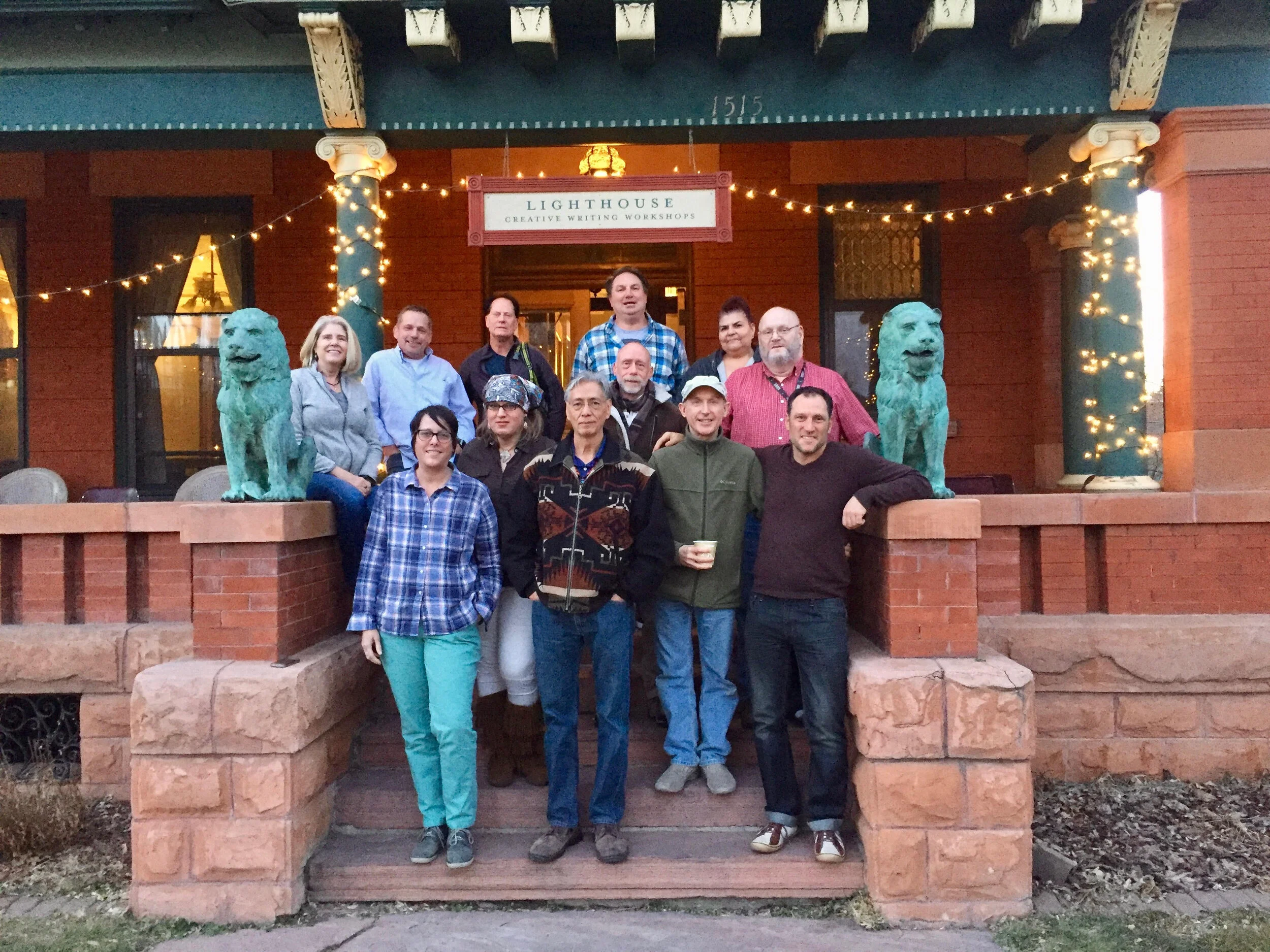
Although HIV/AIDS has remained a significant public health challenge since it first emerged back in the early 1980s, the spotlight on the virus has waned as treatments have rendered it a largely treatable chronic condition. However, HIV/AIDS continues to affect thousands of people in the U.S., and vulnerable communities– particularly women and people of color– still face unique challenges in accessing prevention, care, and treatment resources.

Around the country, parents and care givers continues to struggle to find quality, affordable child care. Infant care can be especially challenging to secure. For parents who are working low-wage jobs, salaries are often eclipsed by daycare costs, making investment in a career seem counter-productive. The Oregon Health Authority (OHA) is committed to engaging Oregon residents in advocating for program and policy solutions to the health challenges that impact them the most. Finding quality, affordable infant child care is one such challenge, in the state.

History Colorado’s exhibits are rich in the stories of native peoples, early miners, fur traders, Western pioneers, and cattle barons. In 2007 and again in 2008, StoryCenter was invited to help integrate the voices of Colorado citizens themselves into the stories being told. The two workshops helped turn the tables on history museum interpretation, inviting members of the community to tell their own stories in their own words, and with their own photographs.

Colleges and Universities across the United States and around the world are increasingly embracing models for service learning, as a way of connecting students with local communities and needs. As a way of kicking off a service-learning program led by the UMBC New Media Studio (NMS), StoryCenter led a series of digital storytelling trainings for staff and faculty. What then emerged was a collaboration involving the NMS and Retirement Living Television (RLTV), a closed circuit television programming effort of the Erickson Retirement Communities (now Erickson Living).

In 2005, two members of the Ohio State University (OSU) library system, Karen Diaz and Anne Fields, attended our StoryCenter digital storytelling workshop in Asheville, NC and together created a story about renovations to the OSU library. Upon their return to Ohio, they engaged the newly formed Digital Union in a project to integrate digital storytelling into the library system’s information technology and curriculum support services. A year later, OSU invited us to lead an on-campus workshop, for a group of faculty and staff. This session resulted in the formation of an OSU Digital Storytelling Leadership Team, comprised of members drawn from several parts of the university.
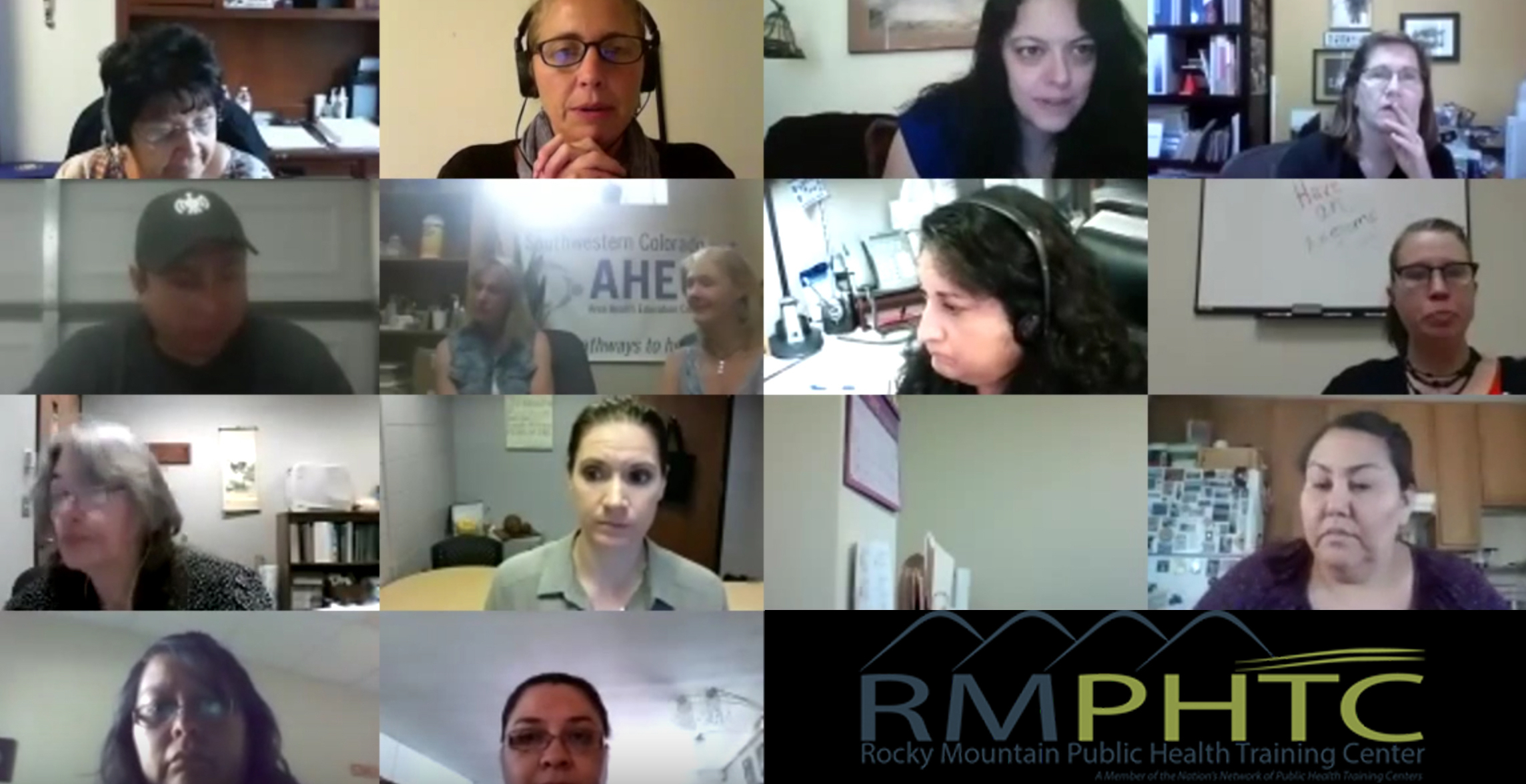
At StoryCenter, we've heard time and time again from public health professionals of the need to put the "public" back into public health, and while many talk about community engagement, they're still seeking successful and viable ways to put it into practice. This is what the Rocky Mountain Public Health Training Center (RMPH-TC) said to us when they initiated a partnership to bring StoryCenter's storytelling webinars and workshops to public health professionals across the Rocky Mountain region.
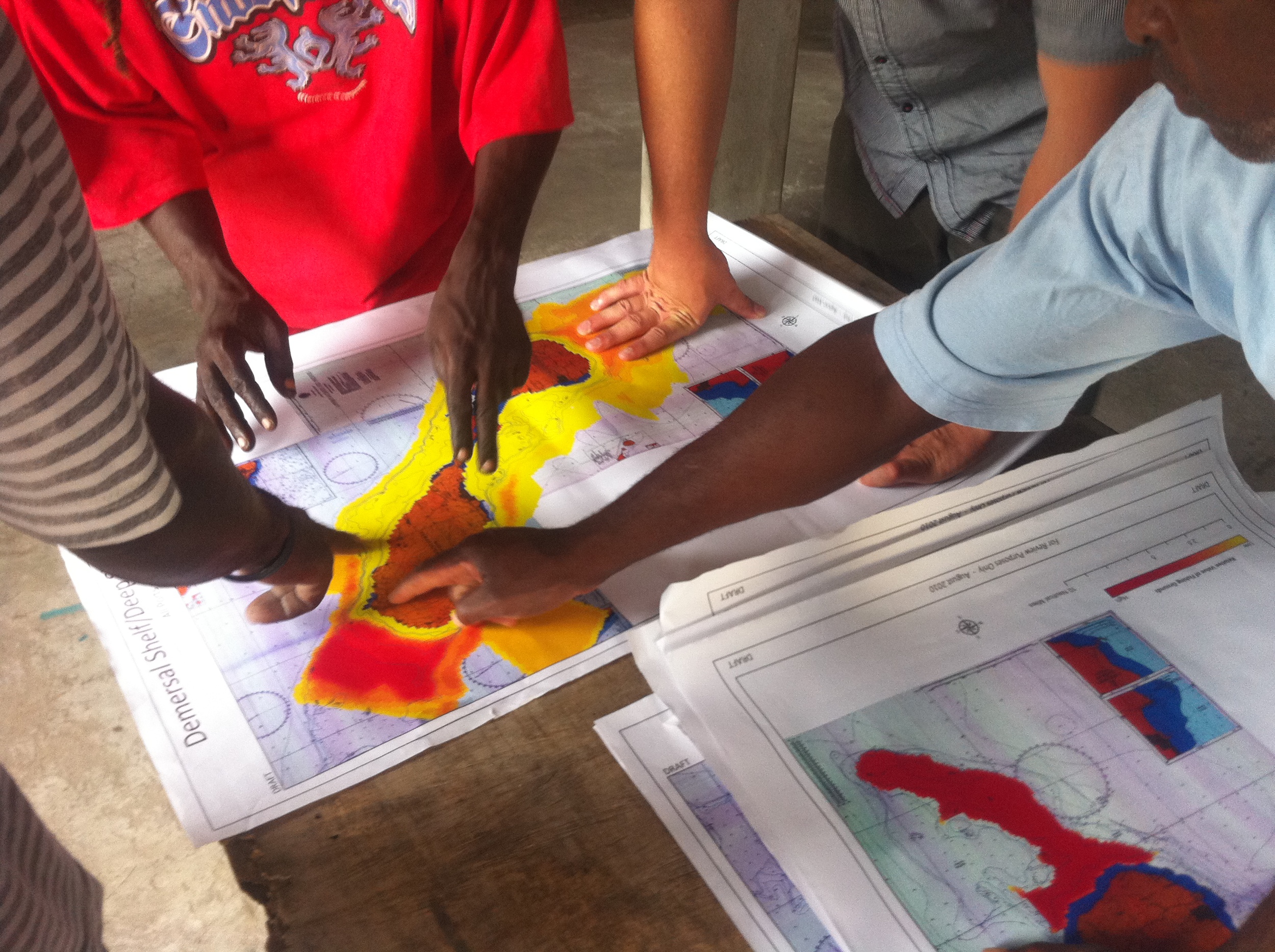
Since its founding in 1951, the vision of the Nature Conservancy has been a world where the diversity of life thrives, and people act to conserve nature for its own sake as well as its ability to fulfill their needs and enrich their lives. Through the dedicated efforts of its diverse staff, the Nature Conservancy uses a non-confrontational, collaborative approach to advance conservation efforts around the world.
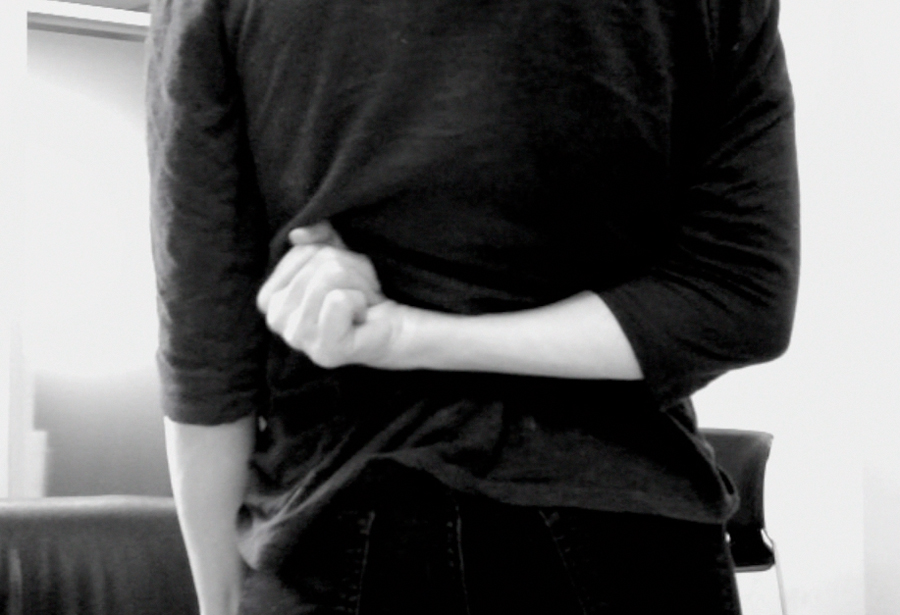
Project Re•Vision aims to help disabled people share their experiences with healthcare providers and policymakers, in hopes of eliminating stereotypes, increasing understanding, and improving care and policy. “There’s a lot of evidence that people with disabilities are invalidated, and their healthcare is poorer than those without disabilities," states Project Re•Vision Director Dr. Carla Rice. “If we can bring a disability studies lens to care and begin to get providers– from doctors onward– to see disability as another identity category, as opposed to a biomedical or individual problem, that’s going to go a long way to improve healthcare interactions.”
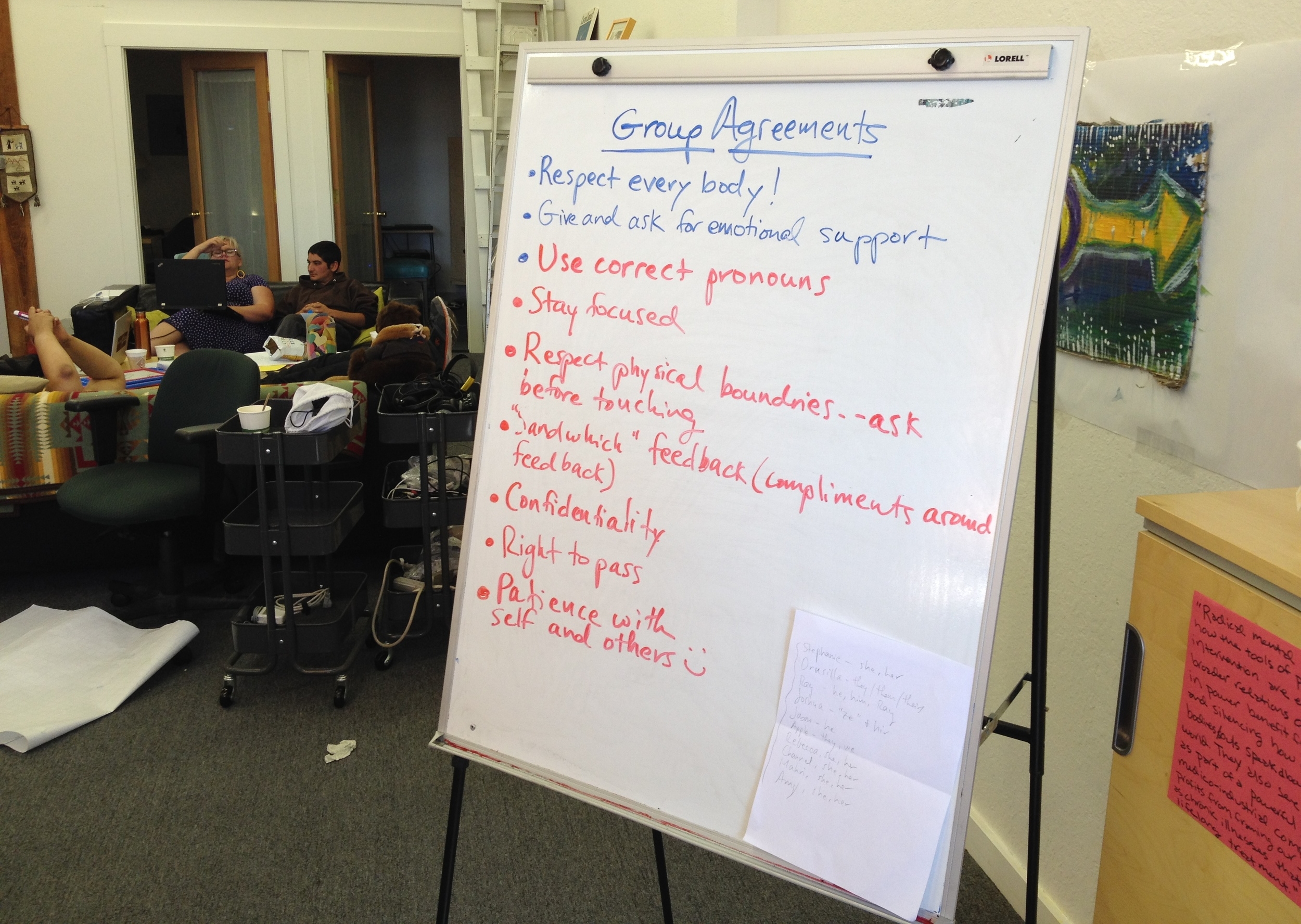
While significant gains have been made in raising awareness about the challenges faced by LGBTQ-identified young people in navigating familial and community stigma and accessing queer-friendly health and mental health services, these youth continue to experience discrimination and misunderstanding in many mental health settings. The “Our Space” program of Sunny Hills Services (Hayward, CA) provides a safe environment for LGBTQ youth to talk about their difficulties and successes. Our Space also advocates with providers for improved service delivery.
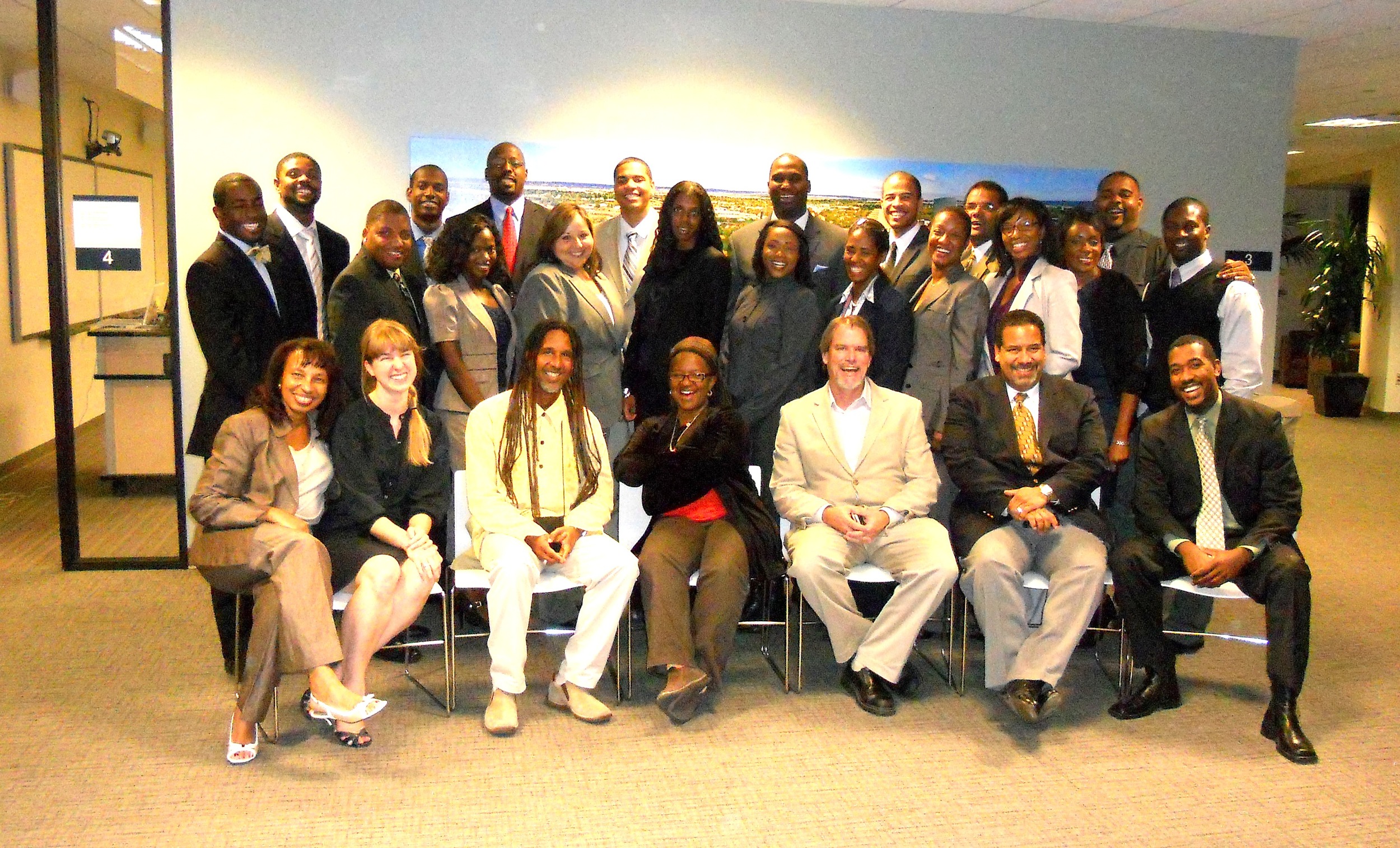
Effectiveness and ethical practices often seem to be at odds, in professional environments, whether civic or commercial. The tendency to put organizational needs over the needs of people and their communities can lead to disastrous results. With appropriate training, support, and ongoing dialogue, leaders can find ways to hold the stories of their publics, alongside the story of the stresses and strains of maintaining an institution. Over the years, many organizations have created fellowship programs for emergent leadership, to instill a sense of ethics and integrity of purpose, in young professionals.
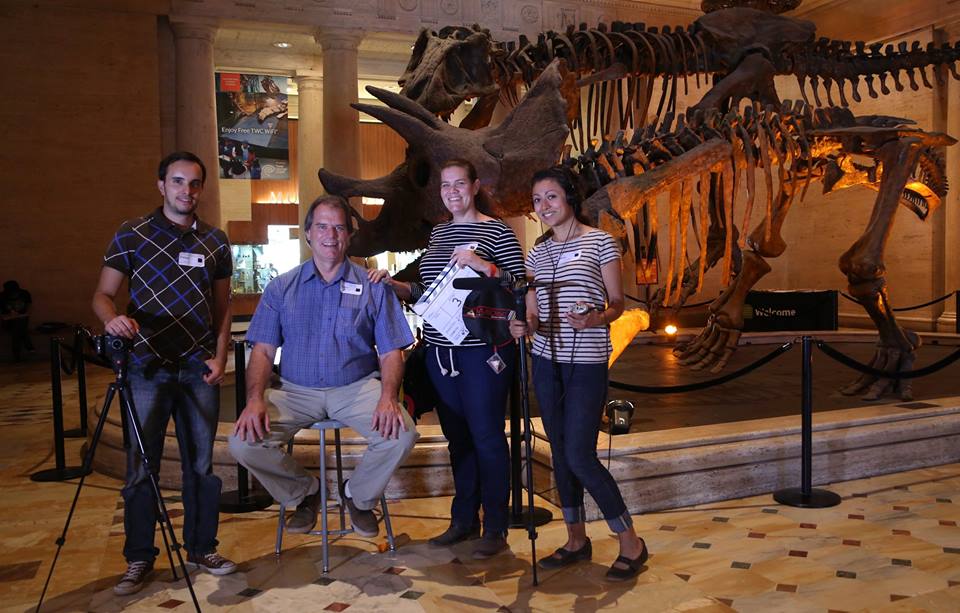
A museum that serves a million visitors a year has many stories to tell about the intersection between museum staff and the public. In 2014, the Natural History Museum of Los Angeles County opened its massive "Nature Gardens/Nature Lab" indoor/outdoor permanent exhibit. As part of the launch preparations, the museum invited StoryCenter to assist in a series of workshops designed to explore how storytelling could inform the planning and implementation process and build a stronger sense of trust and awareness, among the many layers of staff engaged in the project.
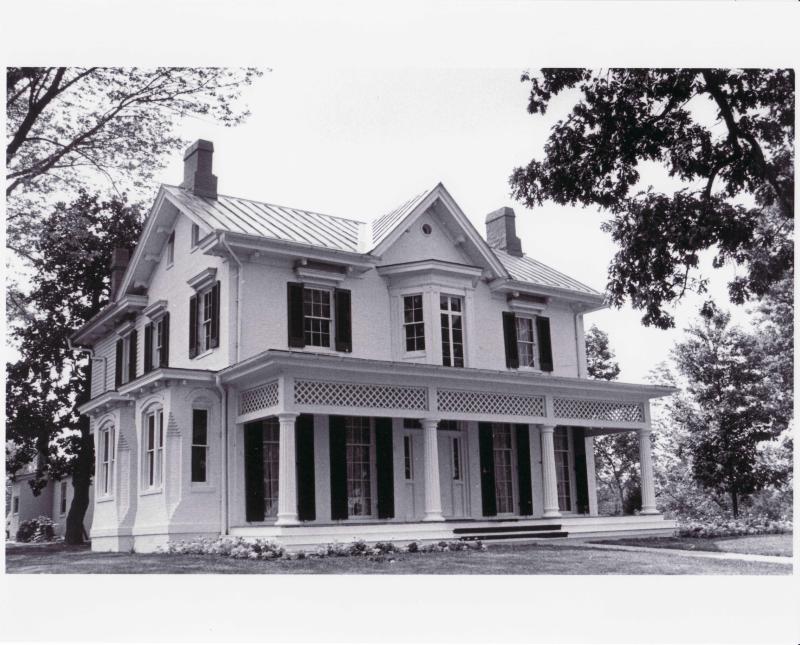
As part of the lead up to the 2013 50th Anniversary of the March on Washington D.C. for Jobs and Justice, the event that gave us Dr. Martin Luther King Jr.'s "I Have a Dream" speech, the National Park Service engaged in activities commemorating the civil rights movement. The Park Service's Office of Interpretation and Education, in collaboration with the National Mall and Memorial Parks and important African American D.C.-based National Historic Sites including the Mary McLeod Bethune Council House and Carter G. Woodson Home, sponsored programs to call attention to local civil rights history. The Park Service was particularly interested in connecting young college students with historic places, and with community members who attended the March and engaged in other forms of civil rights activism.
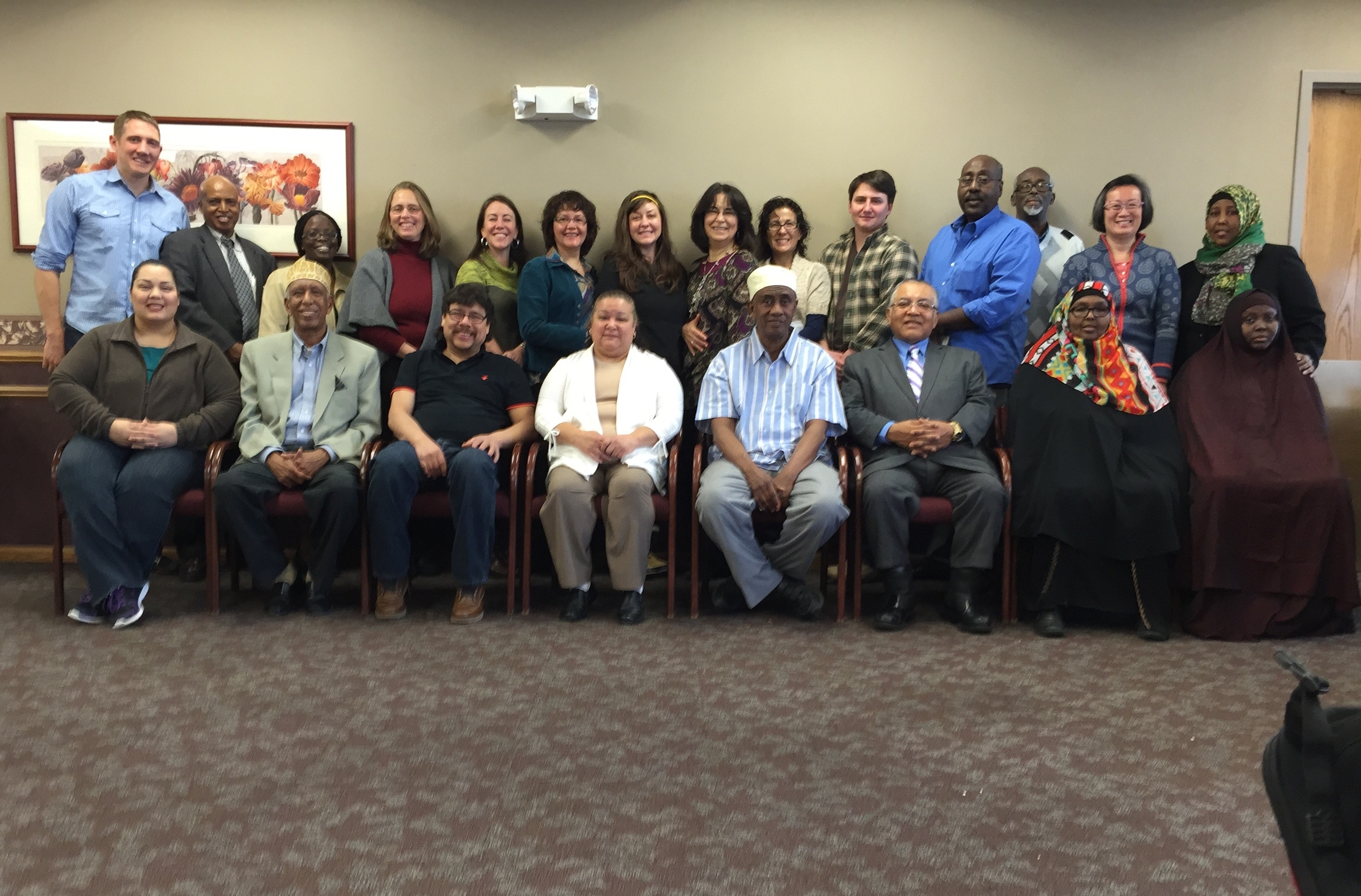
Type II Diabetes is higher among immigrants and refugees in the United States than in the general population. Many immigrants and refugees do not receive the healthcare information that they need, about the disease. Healthy behavior changes, such as increased physical activity, dietary modifications, and medication adherence, are often challenging for immigrants and refugees to implement, due to language barriers, cultural norms that discourage seeking healthcare, and socio-economic barriers to accessing services. Low health literacy disproportionately affects racial and ethnic minority groups.
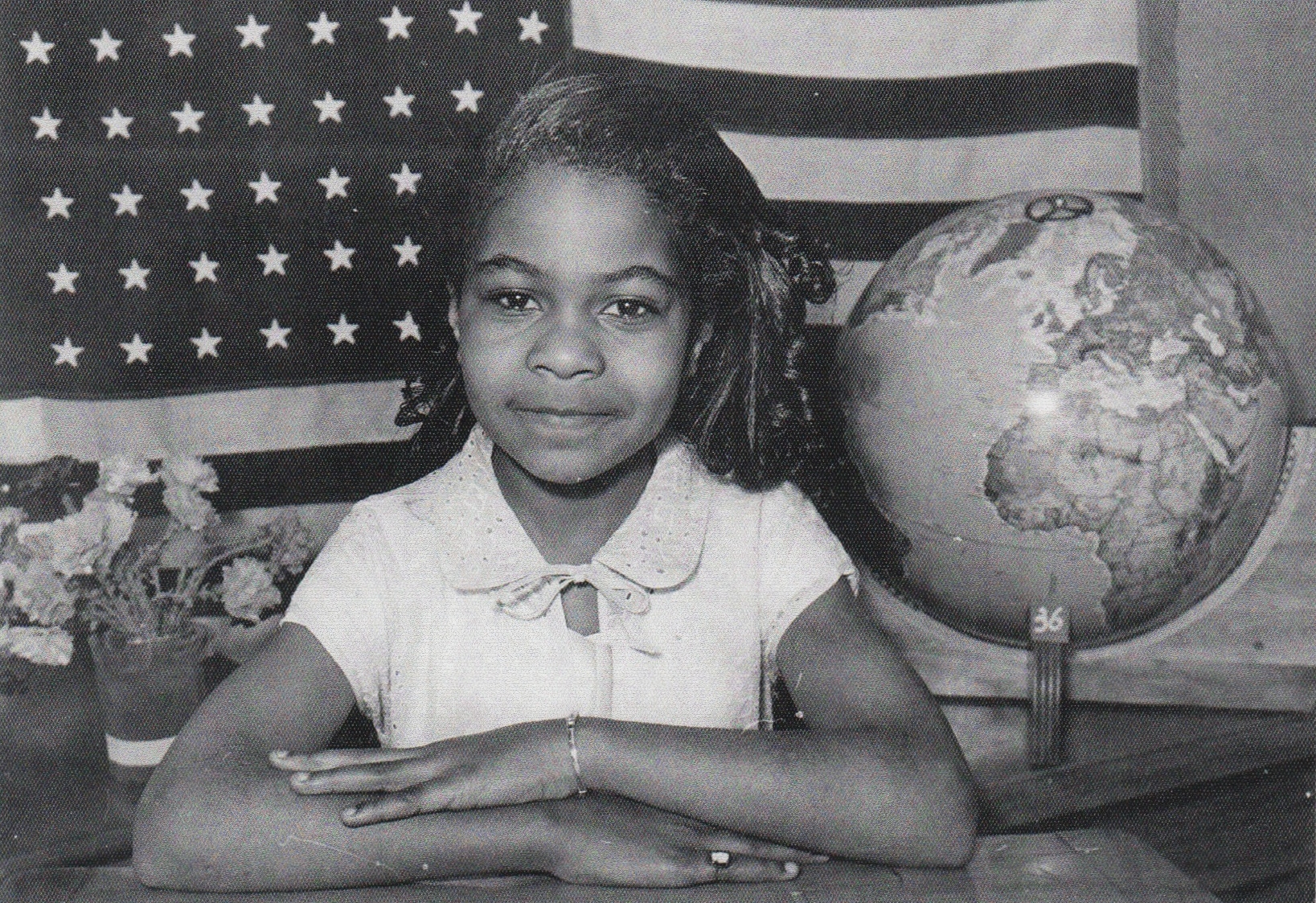
The rich legacy of the civil rights movement was commemorated across the country in 2013, which marked the 30th Anniversary of the historic March on Washington. To honor the work of activists in the 1950s and 60s, several groups in the City of Denver, CO developed a project to encourage awareness and present-day engagement with civil rights issues, as part of StoryCenter's All Together Now initiative.

StoryCenter's pioneering digital storytelling methods support multi-modal learning and have been demonstrated to increase college students' engagement and retention. Houston Community Colleges (HCCS) is the fourth largest community college system in the United States, serving more than 55,000 students. Beginning in 2014, we led Educational Technology Services and Curriculum Innovation Services staff from the six colleges, as well as faculty from various disciplines, through a series of three-day digital storytelling workshops. Following completion of their own stories, a sub-group of participants attended customized training for facilitation and implementation in the classroom. The program is part of a three-year training and implementation effort designed to incorporate digital storytelling methods across the six HCC campuses.
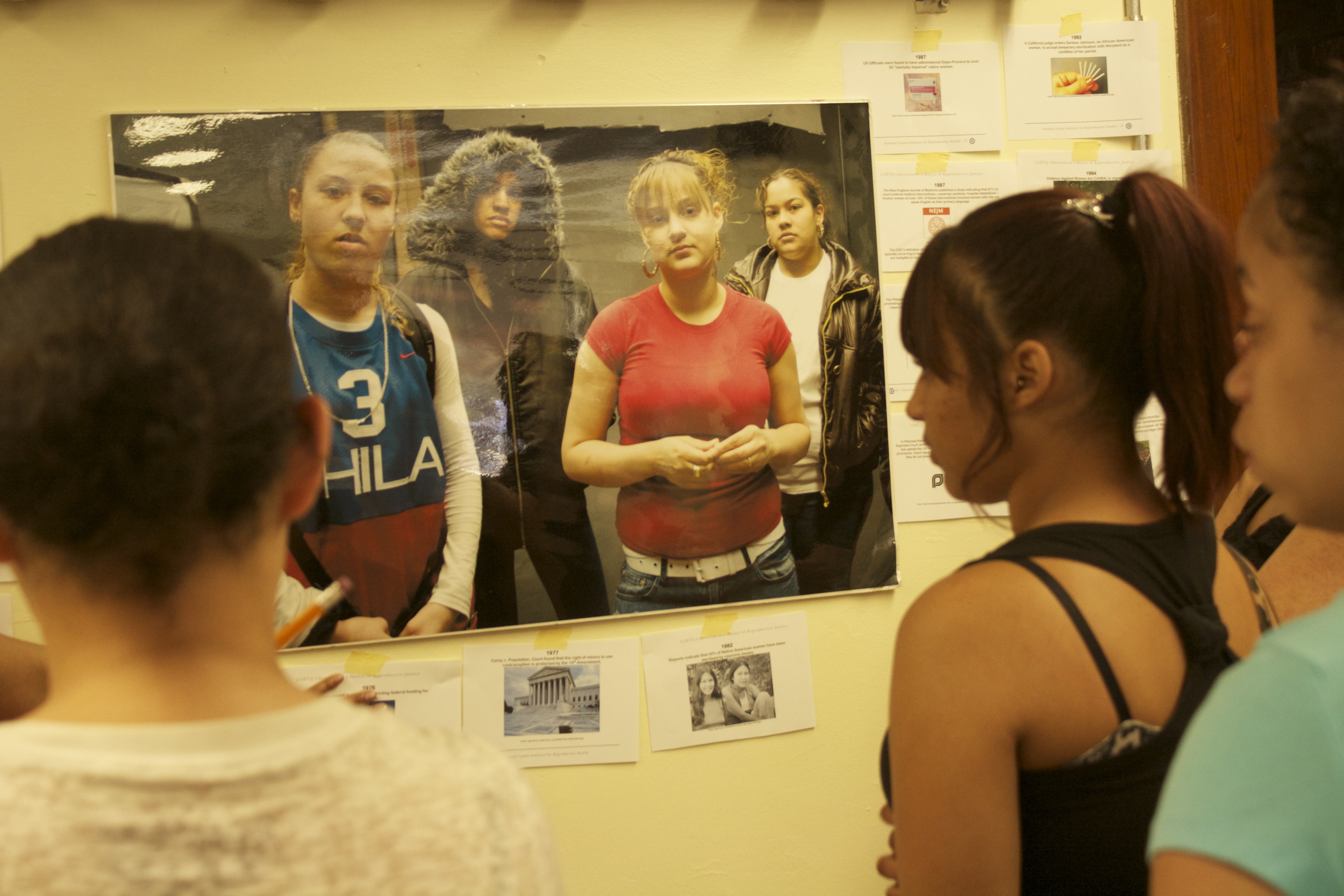
Despite increased attention within the public health field to the need to refrain from stigmatizing teen mothers, prevailing views continue to suggest that these young women cause a whole host of social problems. In an effort to reframe public conversations about young moms and sexuality, health, and reproductive rights, the University of Massachusetts, Amherst School of Public Health initiated the “Hear Our Stories” project, in collaboration with StoryCenter and several other MA and national organizations.
Publications

Recent blog posts



Joe Lambert interviews Marita Jones and Tina Tso from Healthy Native Communities of Shiprock, NM.
Paperback
6th Edition
Published 2020
For bulk orders please contact orders@storycenter.org for shipping costs before purchase.
For questions regarding your order, email orders@storycenter.org.